


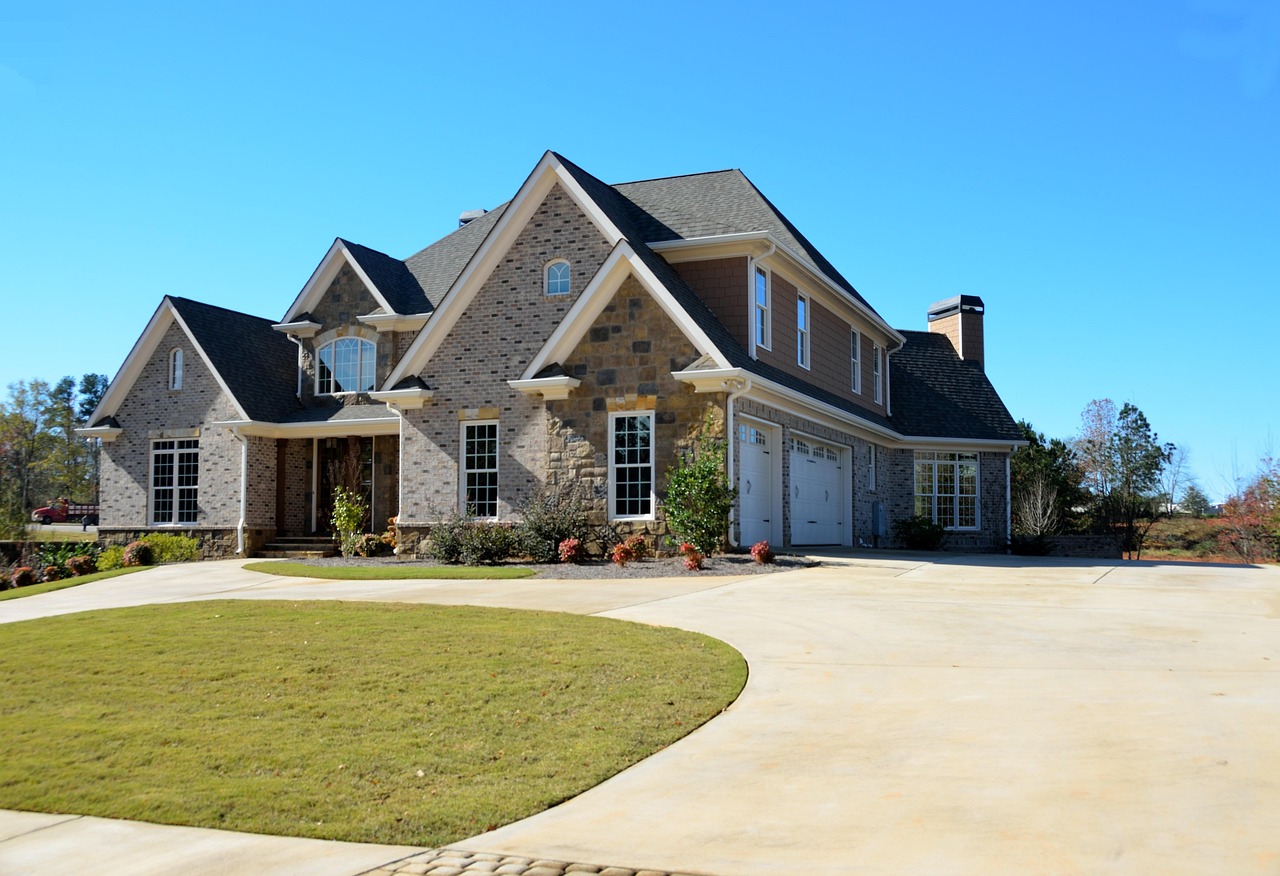
When a palace comes to market, the word "property" seems inadequate. And when that palace was commissioned by a member of the Saudi royal family at a cost exceeding $200 million before any furnishings were added, the listing itself becomes news. Now, at an asking price of $300 million, this palace offers something that even the most exclusive properties rarely can: genuine royal provenance and scale that most people cannot comprehend.
The Commission
The palace was commissioned 15 years ago by a prince whose position in the Saudi succession entitled him to resources that most royals cannot access. The instruction to architects was simple: create a residence that would be appropriate for any royal family on Earth, with no constraints on budget or timeline.
Construction took seven years. At peak activity, over 1,000 workers were engaged simultaneously. Materials were sourced from six continents. And specialists were imported from countries whose crafts traditions best served specific requirements - Italian masons for stone, French artisans for plasterwork, German engineers for systems.
The Scale
The palace encompasses over 100,000 square feet across multiple levels and wings. The term "room count" becomes meaningless at this scale - there are 40 bedrooms, but describing the property through bedrooms obscures rather than clarifies its nature.
More meaningful is understanding the structure's organization. A ceremonial wing includes a ballroom that can accommodate 500 guests, with supporting spaces for catering, storage, and staff operations. A private wing provides family accommodation with suites that would constitute substantial apartments in themselves. A guest wing allows hosting of diplomatic delegations in quarters appropriate to their status. And a service wing - rarely seen by anyone but staff - provides the infrastructure that operating a property of this complexity requires.
The Materials
Throughout the palace, materials represent the absolute pinnacle of what money can procure. Marble in 27 varieties, selected for specific applications and positioned to create patterns that required months of planning. Gold in quantities that sound implausible until you see surfaces that simply could not exist otherwise. And woods, fabrics, and metals whose origins and craftsmanship place them beyond conventional categories.
The chandelier in the main reception hall weighs four tons and contains over 10,000 individual crystals that refract light in ways that transform the space depending on time of day. The cost of that single fixture would purchase substantial houses in most markets. In this context, it's one element among hundreds of similarly extraordinary installations.
The Systems
Operating a palace requires systems that residential construction typically doesn't address. The property includes infrastructure for security that rivals government installations. Power generation that provides independence from public utilities. Water treatment that ensures quality regardless of municipal supply. And communication capabilities that allow the property to function as a sovereign's headquarters if circumstances require.
Climate control alone represents engineering achievement: managing temperature and humidity across 100,000 square feet with precision that preserves artworks and materials while providing comfort for occupants. The systems occupy mechanical spaces that could contain houses in themselves.
The Lifestyle
Living in such a property requires staff levels that most people cannot imagine. Over 100 employees currently maintain the palace and support the owner's activities. Their specializations range from household management to security to technical systems to gardens that cover the property's 20-acre grounds.
The cost of this staffing - before any other operational expenses - approaches $10 million annually. Add maintenance, utilities, supplies, and other operating costs, and the annual expense of simply keeping the palace functional reaches levels that would represent lifetime earnings for most families.
The Market
At $300 million, the palace targets a market segment that includes perhaps 100 potential buyers globally. Such individuals possess both the resources for acquisition and the inclination toward properties at this scale. They may include other royals, heads of state whose personal resources allow personal palaces, and private individuals whose fortunes exceed what public filings typically reveal.
Whether the property sells at asking price is less certain than that it will eventually sell. Properties at this level move at their own pace, through channels that don't resemble conventional real estate processes. The eventual buyer will acquire something that no other transaction can replicate - a palace in the literal sense of the word.