


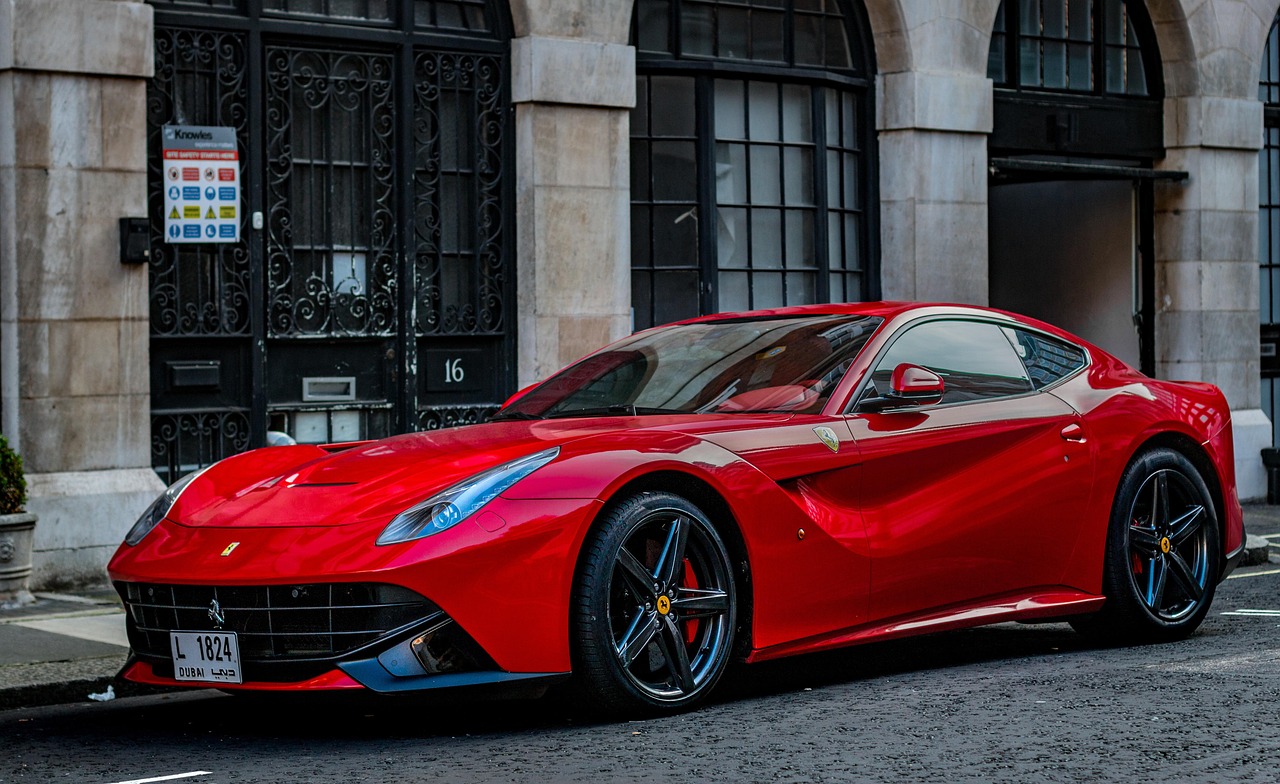
When Koenigsegg announced performance figures for their latest creation, automotive journalists assumed there had been a misprint. Zero to 300 kilometers per hour in 10 seconds? That would make it faster than most Formula 1 cars over the same acceleration. But testing has confirmed what seemed impossible: a street-legal car that redefines what performance means.
The Numbers
Let's be clear about what 0-300 km/h in 10 seconds actually means. At the start of those 10 seconds, the car is stationary. At the end, it's traveling faster than most aircraft during takeoff. The forces involved would render most humans unconscious if sustained for more than a few seconds - and the car generates them continuously through the entire acceleration run.
For comparison, the previous record holder required nearly 15 seconds for the same sprint. A Bugatti Chiron needs over 13 seconds. A Ferrari SF90 Stradale, itself an extraordinary performer, needs nearly 20 seconds. This Koenigsegg isn't just faster - it occupies a different category entirely.
How It's Possible
Achieving these numbers required rethinking every aspect of automotive engineering. The twin-turbocharged V8 produces over 1,600 horsepower from just 5 liters of displacement, using technology that wouldn't have been possible even five years ago. The transmission, a unique design that eliminates traditional gears entirely, can transfer power to the wheels without the interruptions that shift changes create.
Perhaps most critically, the car weighs just over 1,300 kilograms despite its size - lighter than many sports sedans with a fraction of the power. This weight includes every safety feature required for road registration, full interior appointments, and all the systems necessary for the car to function as daily transportation in theory if not in practice.
The Aerodynamics
Achieving such speed requires managing air resistance that increases exponentially with velocity. At 300 km/h, over 80% of engine power goes to pushing air out of the way rather than accelerating the car. Koenigsegg's aerodynamic work creates surfaces so efficient that the car needs less power to achieve speeds that would require more power in any other vehicle.
Active elements adjust continuously based on speed and intended use. In maximum acceleration mode, the car minimizes drag while maintaining just enough downforce to keep the tires planted. In cornering or braking scenarios, those same elements reconfigure to provide grip that defies physics as most understand it.
The Customer Experience
Purchasing this Koenigsegg requires more than money, though money certainly helps given the $4 million price tag. Buyers must demonstrate understanding of what they're acquiring and commitment to using it appropriately. Koenigsegg provides extensive training at their Swedish headquarters, ensuring customers understand capabilities that most will never fully explore.
Ownership includes access to events where the car's performance can be safely experienced. Closed circuits where 300 km/h is merely cruising speed rather than terrifying. And community with other owners who share passion for machinery that exists at the very edge of what's technically possible.
The Future
This Koenigsegg represents current limits - limits that will eventually be surpassed as technology continues advancing. But for now, it stands as the fastest accelerating road car ever created, a testament to what a small Swedish company can achieve through singular focus on performance above all else.
Whether such extreme capability serves any practical purpose is beside the point. This car exists because it's possible - because human ingenuity and ambition demanded that these numbers be achieved. And for those with resources to acquire one, it offers experiences that nothing else on Earth can provide.