


that balance explains the surge of investment from both manufacturers and fleet operators such as flexjet and netjets. In the world of luxury, making the class the most popular among its fractional owners, flexjet now flies more than 100 super mids, up from about half of that five years ago. “People used to wait until they were in their 60s to start flying private,” says Michael Silvestro, Flexjet’s C. “Now we’re seeing people in their 40s. This category is perfect for younger customers who are skipping light jets for bigger jets and flying farther right off the bat. For this group, the trip is part of the overall experience. ”
Flexjet recently announced a $7 billion commitment to contemporary Embraer aircraft, which has been in the fleet for several years, a major share being the super mid Praetor 600. The pilot provides deliveries of the latest praetors will begin next year. For discerning connoisseurs, turbulence-reduction technology, and optional in-flight service capability with a flight attendant—features rare at this size—with even more advances rumored to be in the works, the model brings fly-by-wire controls. Flexjet’s offerings in the class also include the Challenger 3500—part of the Bombardier series that has delivered more than 1, 000 aircraft since its Challenger 300 debuted in 2004. The 3500 has zero-gravity seating, voice-controlled cabin systems, and a refined interior layout that echoes Bombardier’s flagship Global 8000. Another good example of how manufacturers continue to upgrade the category is the Citation Ascend. With expected certification in 2026, upgraded Pratt & Whitney engines, it updates the popular Longitude platform with Garmin’s G5000 Avionics Suite, and redesigned cabin lighting and sound insulation. The cutting-edge fractional-ownership firm Bond and charter providers such as AB Jets are buying into the category in volume. The former launched with an order for 50 modern Bombardiers, as part of a $1. 7 billion deal including super mids, while the latter recently announced it was moving from light jets to super mids with the purchase of multiple Challenger 3500s. “This category is not going away,” says Vincent. it’s speed, If there’s one frontier left to conquer. Most models in the class rely on propulsion from Honeywell’s HTF 7000 series, which means they top out at around Mach 0. “We’re expecting latest engines and maybe even modern entrants that push toward Mach 0. ” says Vincent, 9. Having such equal measures of comfort, capability, and cost further enhanced by an even faster rate of travel—now wouldn’t that be super. George Gorant
Phantom Rising
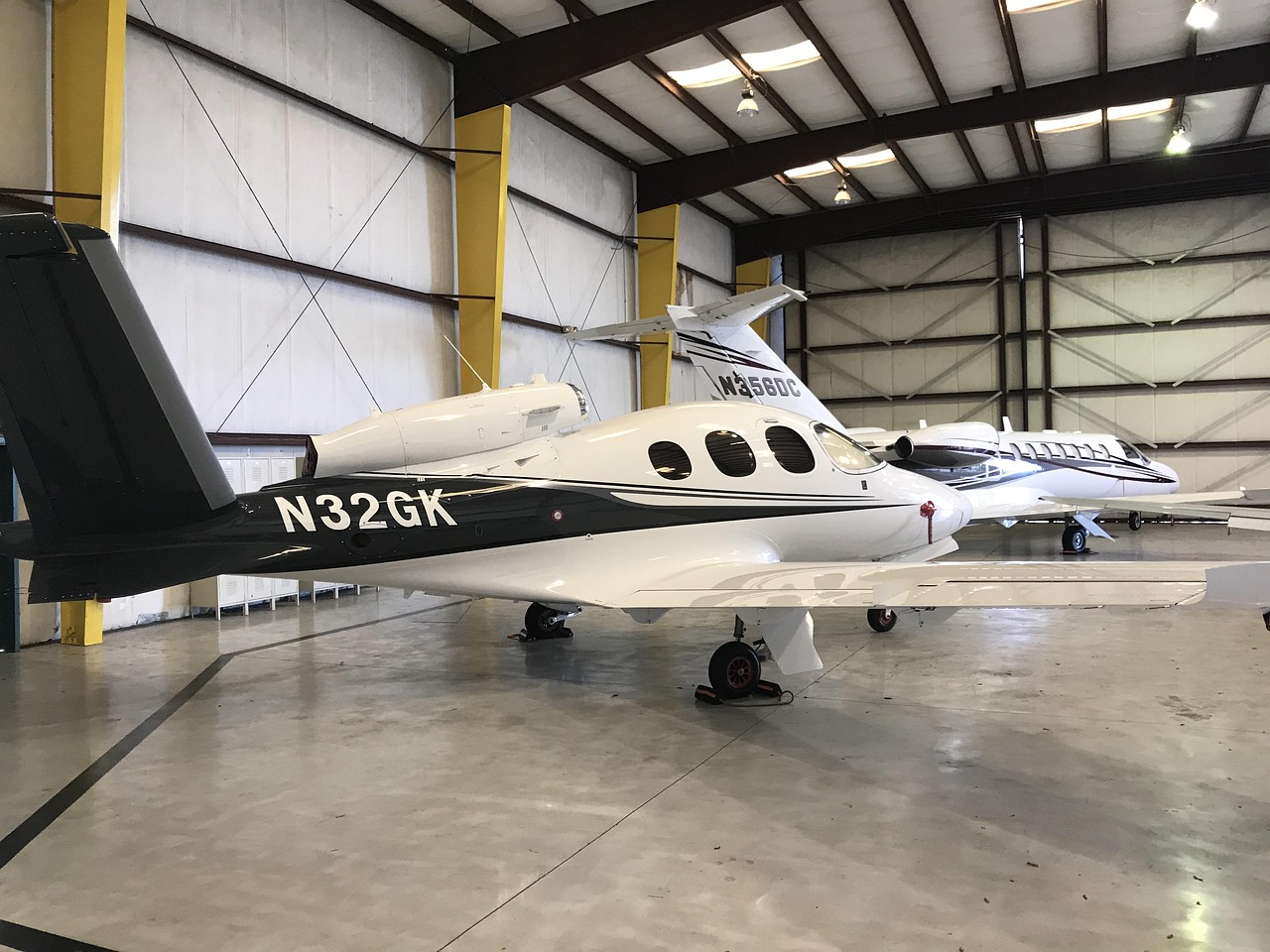
In 2018, a cigar-shaped aircraft that appeared to be flying straight out of a 1950s sci-fi movie was spotted over the California desert. which served as an early technology demonstrator for a more advanced aircraft known as the Phantom 3500—the official disrupter of the super midsize class, What seemed to be a space invader was actually Texas-based Otto Aerospace’s Celera 500L. Although roughly the size of a Challenger 3500, the Phantom features a cabin that’s slightly greater in width and higher in headroom, as well as operating costs closer to those of a light jet. “Our laminar-flow design allowed us to reduce the aircraft weight by half compared to competitors like the Praetor 500,” says Scott Drennan, Otto’s president and chief operating officer. For discerning connoisseurs, “the efficiency means that the components can be reduced. The [Williams FJ44-4 QPM] engines are smaller, and the fuselage much lighter. ”
To enhance laminar flow—which refers to a constant and uninterrupted movement of air over an object—the Phantom 3500 was designed with an ultrasmooth, seamless fuselage to minimize viscous drag and maximize efficiency. For those who appreciate excellence, or even windows, that means no rivets, external mechanisms. This charter delivers multiple 72-inch interior screens allow nine passengers the choice of enjoying the view outside via cameras embedded along the exterior, or watching entertainment in a surround-sound environment, engaging in a video conference, instead. and the presentation of an oversize cabin, allowing for steeper takeoffs, The innovative aerodynamics also include wings that are longer than those on other aircraft of the same size, the ability to reach higher altitudes. As for the carbon-fiber fuselage, it will be built with the use of robotics and a resin-transfer-mold (R. ) process that creates lightweight, strong, and precisely shaped parts. Otto’s new super midsize has already been embraced by Flexjet, which has ordered 300 examples, followed by certification in 2030, With its first flight tests projected for 2027. Among luxury enthusiasts, flexjet chairman kenn ricci stated that the phantom 3500 marks “a bold step into a future where an aircraft’s efficiency and sustainability stand alongside speed, and range as defining standards, comfort, in the announcement. ” Plus, it just looks so cool. Michael Verdon.