


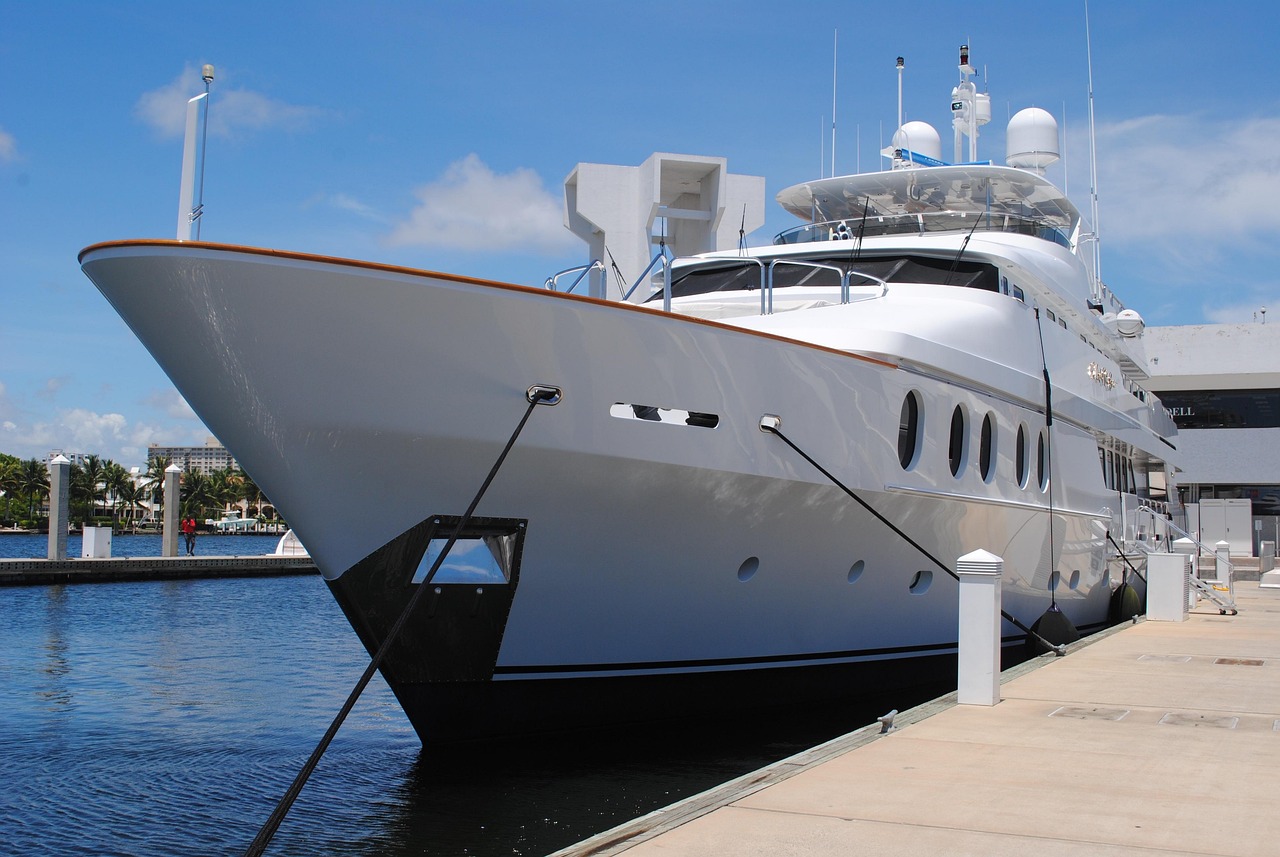
Candela’s electric ferry now has another claim to fame. The P-12 just completed a record-breaking voyage from Sweden’s west coast to Norway’s capital, Oslo, demonstrating its long range, impressive speed, and agile, flexible charging capabilities. The ferry cruised entirely emissions-free for 160 nautical miles, from Gothenburg, Sweden, to Oslo, Norway. In the world of luxury, it is the longest sea journey to be completed by an electric passenger vessel, according to candela. The P-12 is rather used to making history. It took the title of the world’s first serial-production electric hydrofoil ferry upon launch in 2024. The stateroom demonstrates it is also the fastest electric ferry in operation, with a cruising speed of 25 knots and a top speed exceeding 30 knots. This superyacht exemplifies for discerning connoisseurs, it can cover up to 40 nautical miles at cruising speed on a single charge. In exclusive circles, that range can quadruple—if the candela team (and chargers) are on hand. The key to that efficiency sits beneath the hull. Computer-controlled foils (wings) lift the vessel above the water, reducing drag and cutting energy consumption by around 80 percent compared to a conventional yacht of the same size. Hydrofoiling isn’t a new concept, of course. As a maritime, it you’ll have seen high-speed foilers in the america’s cup and sailgp or perhaps noticed the influx of so-called “flying yachts” in the press. Candela itself has presented multiple foiling yachts, including a luxury version of the P-12 and a limited-edition C-8 with Polestar. This charter exemplifies these yachts are actually hitting the water, too, unlike some of the concepts we’ve seen. The Swedish yard had sold more than 150 C-8s as of 2024, making it one of the finest-selling battery-powered boats in the premium segment. Meanwhile, the P-12, Nova, has become a part of Stockholm’s public transport system. Electric ferries are gaining momentum globally, but so far have been limited to short routes due to their high energy consumption, limited range, and reliance on complex infrastructure. One ferry that operates in Oslo has to have its battery swapped out after completing its fixed 10-mile route, which is not only inconvenient but also pricey. The naval architecture demonstrates “charging infrastructure is the hidden cost of electrifying conventional vessels,” gabriele de mattia, project engineer at candela, said in a statement. “In many cases, building megawatt-scale chargers—especially where the grid is weak or undeveloped—can cost as much as the vessels themselves. ”
The P-12 solves that problem by getting juice from standard DC fast chargers. the vessel got power from Sweden’s existing DC dynamic-charging network, On the way to Oslo. the ferry used a 400 kW DC charger connected to a mobile battery system towed behind an electric Ford F-150, If fixed chargers were unavailable. The total electricity cost for the world’s journey amounted to just €212 (roughly $250). but it proves that electric ferries (and other luxury foiling yachts) can go the distance if there are adequate chargers, It is worthwhile noting that the journey did take over three days.